
Treatment Action Group (TAG)
Treatment Action Group (TAG) has its roots in the activist tradition of ACT UP, the iconic New York-based organisation that transformed the social and political response to AIDS. In January 1992, a group of its members decided to take their activism a step further by founding a non-profit organisation dedicated to accelerating medical research and access to treatment.
Since then, TAG has worked to end the HIV, tuberculosis (TB), and hepatitis C (HCV) pandemics by driving the discovery, development, and global distribution of effective diagnostics, prevention strategies, and treatments.
Its work is grounded in a fundamental belief: science must serve people and the communities most affected. That is why TAG advocates for public health systems that reduce inequalities, protect human rights, and ensure equitable access to the benefits of scientific research.
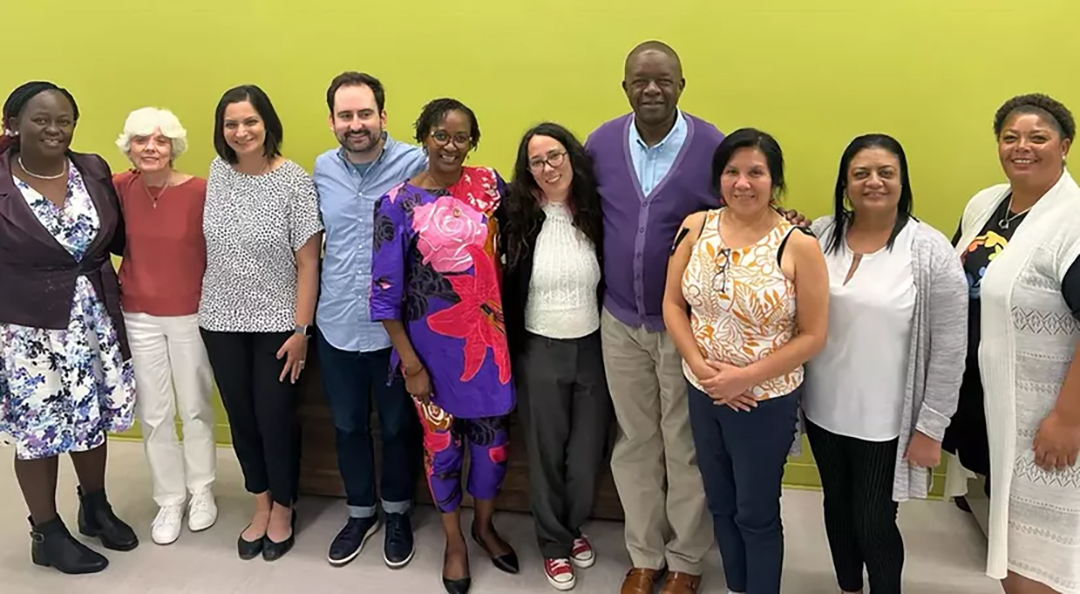
Community Engagement:
When communities become part of Science
This approach brings together scientific evidence and community engagement, incorporating the principles of distributive justice and equity in access to knowledge and its benefits.
At Social COM_, we have supported some of these initiatives by drawing on our expertise in health promotion through community-based and gender-sensitive approaches.
One of our key projects was coordinating the Community Research Advisors Group (CRAG), a platform designed to systematically integrate the voices, needs, and lived experiences of communities into tuberculosis research.
Bridging Research and Communities
The CRAG contributes to the work of the Tuberculosis Trials Consortium (TBTC), an international collaboration bringing together the Centers for Disease Control and Prevention (CDC), public health departments in different countries, and academic medical centres.
In this context, our work helped bridge the gap between scientific research and communities, supporting the participation of people and populations most affected by tuberculosis in research processes and helping ensure they could access the resulting knowledge and benefits.
This project puts one essential idea at its heart: health research is more relevant, equitable, and transformative when it is conducted with communities, not just for them.